
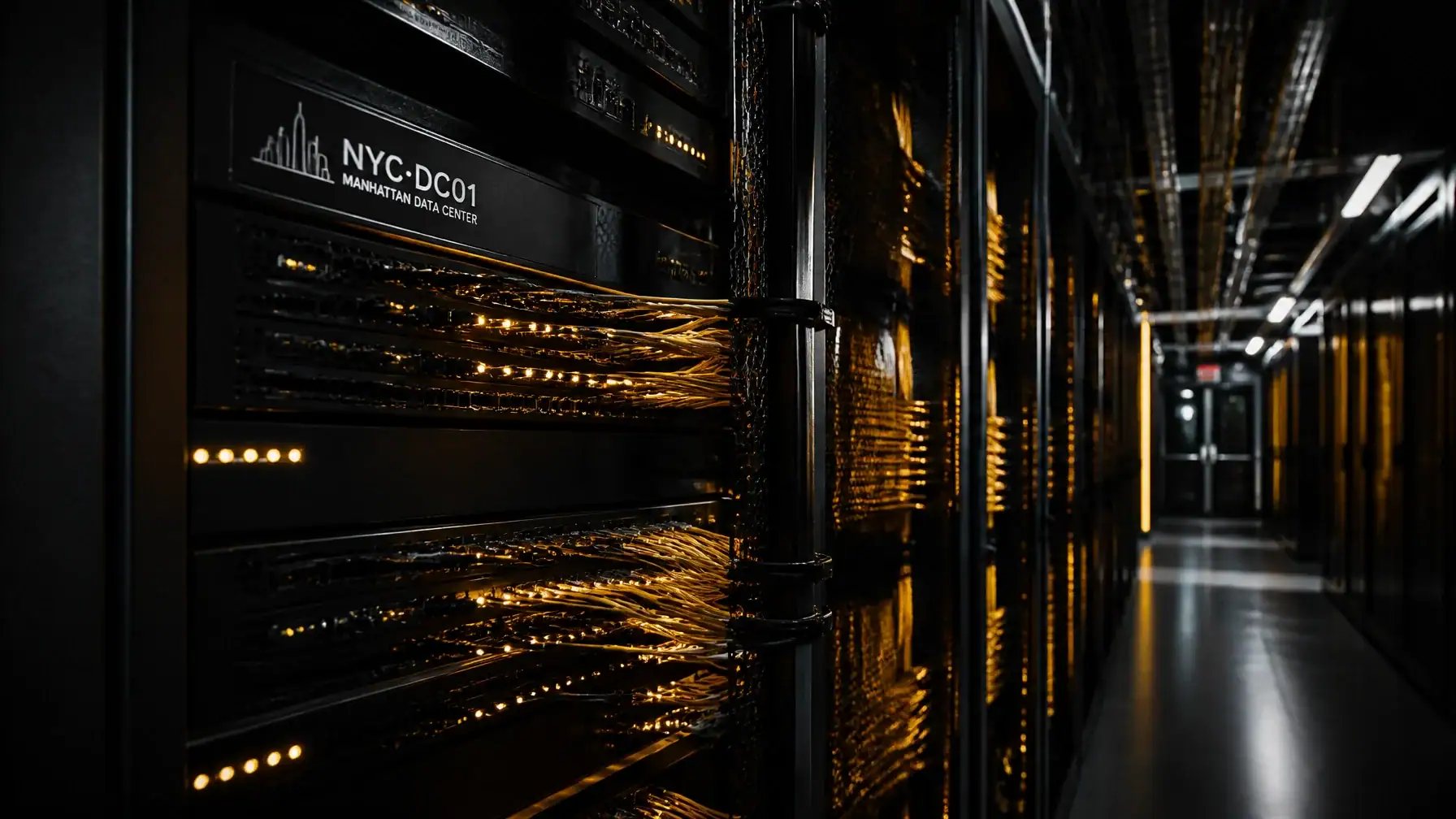
Limited-Energy. Logic. Liability.
The terminology of the past is officially dead. If your team is still talking about "low voltage" cabling, you are already behind the compliance curve. The National Electrical Code (NEC) 2026 revision has introduced the most significant structural change to data infrastructure standards in decades.
For IT directors, Managed Service Providers (MSPs), and building owners in New York City, this is not a cosmetic update. It is a fundamental shift in how network infrastructure is classified, installed, and inspected. As a leading low voltage contractor in NYC, Cables & Chips has already integrated these 2026 standards into our project protocols.
Here is the technical breakdown of the new landscape.
The Death of "Low Voltage": Meet Limited-Energy
The most immediate change in NEC 2026 is the removal of the term "low voltage" in favor of Limited-Energy.
For years, "low voltage" was a catch-all phrase that lacked precision. It grouped everything from high-power PoE (Power over Ethernet) to simple telephone wires under one vague umbrella. NEC 2026 ends this ambiguity. Under Article 100, the code now formally defines Cable, Limited-Energy.
This classification now explicitly includes:
- Structured cabling systems (Cat6, Cat6A, Cat7, Cat8).
- Optical fiber systems (Single-mode and Multi-mode).
- Premises communications circuits (LANs and building networks).
- Class 4 fault-managed power systems.
The Logic: By shifting the focus from "voltage" to "energy," the NEC acknowledges that modern data cables carry significant power loads (PoE++). The risk is no longer just signal interference; it is thermal management and fire safety.
The End of Chapter 8 Independence
Historically, Chapter 8 (Communications Systems) of the NEC was considered "independent." It stood apart from the general rules found in Chapters 1 through 4. This allowed data installers to bypass certain rigorous electrical standards required for power wiring.
NEC 2026 has eliminated Chapter 8 independence.
Communications requirements are now fully integrated into Chapter 7. For NYC IT teams, this means your data cabling in NYC must now adhere to the general NEC rules regarding:
- Workmanship and "neat and workmanlike" requirements.
- Support and securement standards.
- Strict separation from power conductors.
- Firestopping integrity.
Non-compliance is no longer just a technical oversight; it is a code violation that can halt a certificate of occupancy or void insurance coverage in commercial high-rises.

Article 722: The New Bible for Structured Cabling
If you manage a data center or a commercial office build-out, Article 722 is your new primary reference point. This newly created article consolidates all installation requirements for limited-energy cables.
At Cables & Chips, we have restructured our installation manuals to prioritize Article 722 compliance. The core focus areas include:
- Cable Routing and Support: The use of "J-hooks" and cable trays must follow specific load-bearing and spacing requirements to prevent "limited-energy" cables from sagging or creating fire hazards.
- Thermal Management: With the rise of 100W PoE, cable bundling is now strictly regulated. Over-tightened zip ties and oversized bundles lead to heat buildup, which can degrade data performance or cause jacket failure.
- Documentation: Inspectors are increasingly looking for cable ID schedules and documentation that proves the installed media meets the energy-limiting requirements of the circuit.
Bonding and Grounding: No More Shortcuts
In the previous code cycles, grounding for data racks was often treated as an afterthought. NEC 2026 changes this via Article 750 (Bonding and Grounding for Limited-Energy Systems).
Proper grounding is no longer "best practice": it is mandatory for compliance. In the dense electromagnetic environment of Manhattan, improper bonding leads to:
- Packet Loss: EMI (Electromagnetic Interference) can cripple high-speed fiber and copper links.
- Equipment Failure: Surge events can travel through ungrounded data lines, destroying expensive switches and servers.
- Safety Hazards: Floating grounds create potential differences that can lead to electrical shock during maintenance.
Cables & Chips ensures that every MDF/IDF cleanup and new installation includes a verified bonding path to the building’s primary electrical ground.

Risks of Non-Compliance in NYC
The New York City Department of Buildings (DOB) is notoriously rigorous. Using a low voltage contractor in NYC that isn't current on NEC 2026 creates three primary risks for your organization:
1. Regulatory Friction
If an inspector finds that your communications circuits are not following the unified Chapter 7 rules, they can issue a "Stop Work" order. This delays tenant move-ins and construction schedules, costing thousands per day.
2. Operational Instability
"Limited-energy" cables carrying high-wattage PoE require specific spacing. Ignoring these thermal rules leads to "soft failures": mysterious network drops, slow speeds, and hardware reboots that are difficult to troubleshoot.
3. Liability and Insurance
In the event of a fire or equipment loss, forensic investigators check for code compliance. If your structured cabling in NYC was installed under the old "independent" rules after the 2026 adoption, your insurance carrier may deny the claim based on improper installation.
The Cables & Chips Protocol
We do not view compliance as a hurdle. We view it as the foundation of a reliable network. Our process for every NYC project is designed to exceed NEC 2026 requirements:
- Phase 1: Site Survey & Logic Audit: We analyze the existing infrastructure to identify legacy "low voltage" risks.
- Phase 2: Article 722 Planning: We design routing paths that account for bundle heat dissipation and proper securement.
- Phase 3: Precision Installation: Our technicians use the latest tools to ensure every cable is labeled, tested, and certified.
- Phase 4: Documentation: We provide full digital maps and bonding certifications for your records and for the AHJ (Authority Having Jurisdiction).

Conclusion: Infrastructure is a Utility
Network infrastructure is no longer a secondary service. It is a critical business utility, as vital as power or water. The shift to "Limited-Energy" in the NEC 2026 code reflects this reality.
Is your current infrastructure compliant? Does your structured cabling provider understand the move to Article 722?
At Cables & Chips, we are experts in the transition. We provide the technical precision required to keep NYC’s most demanding businesses online and compliant.
Infrastructure. Documentation. Reliability.
Contact Cables & Chips today to schedule an audit of your limited-energy systems.