
Fiber Slack Storage: Hardware, Rules, and Install Steps
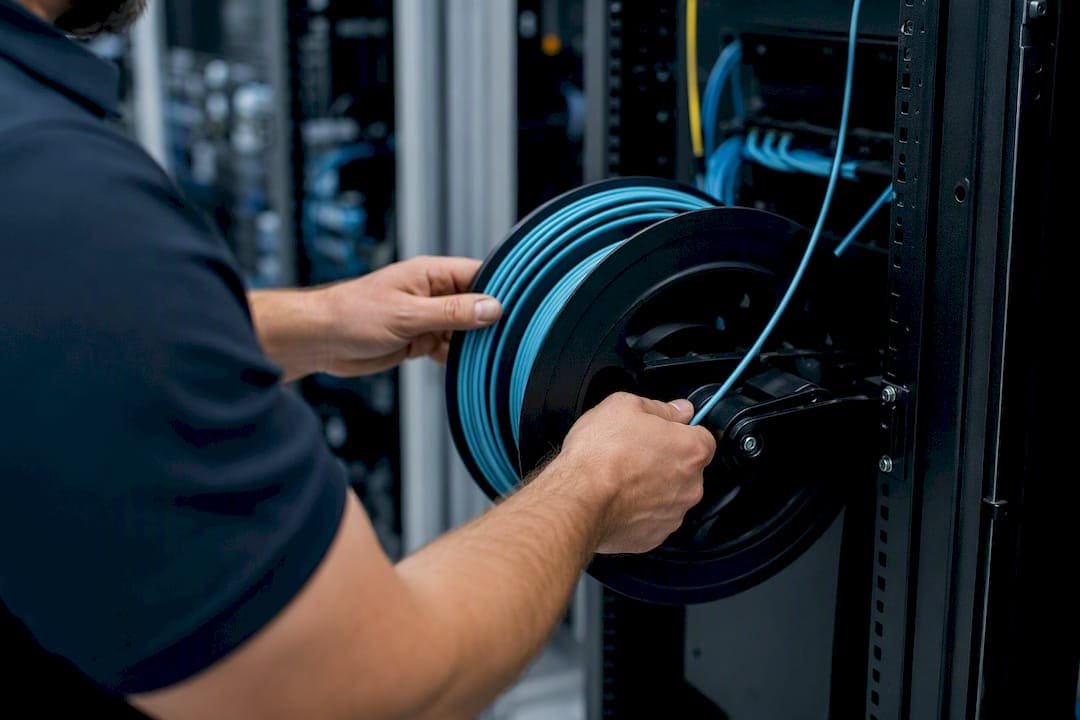
The correct way to manage fiber slack is to use purpose-built slack storage hardware matched to the environment, and never exceed the cable’s minimum bend radius. That single rule prevents most of the outages and re-splices that trace back to a rushed slack coil.
Match the hardware to the location first:
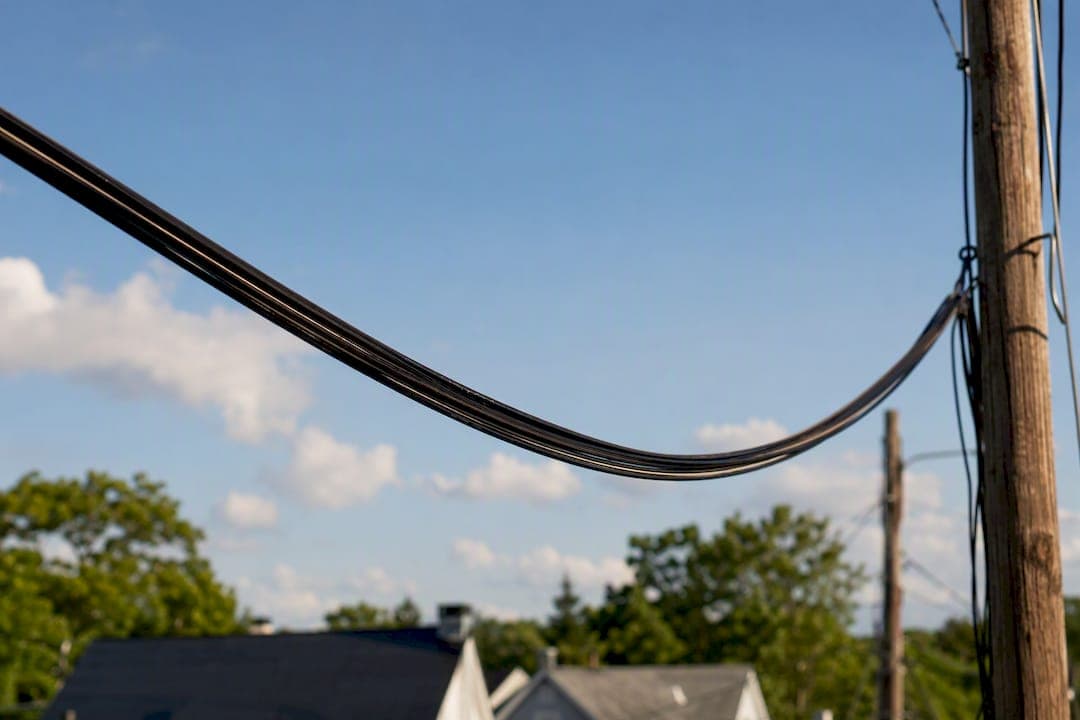
- Pole or aerial runs: H-frames, reels, or pole-mount brackets designed for outdoor tension and sag.
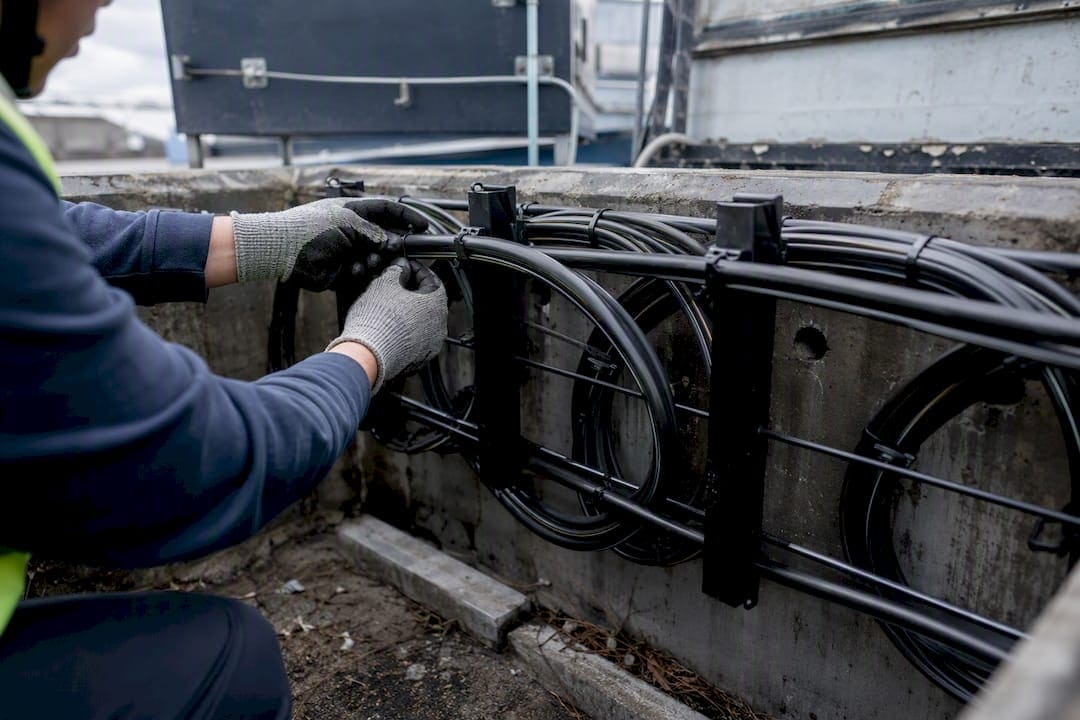
- Handholes and vaults: slack trays or sealed enclosures elevated off the floor.
- Network interface devices (NID): compact slack storage boxes sized for drop cable.
- Racks and IDF closets: spools and baskets sized to rack elevation and fiber count.
Anchor stored slack at multiple binding points, never one, and label every loop before you close the enclosure.
Key Takeaways
Correct fiber slack storage combines purpose-built hardware, strict adherence to minimum bend radius, and documented, tested installation work.
| Point | Details |
|---|---|
| Match hardware to environment | Use H-frames or reels for aerial, slack trays for handholes, boxes for NIDs, and spools for racks. |
| Respect bend radius always | Reference manufacturer specs or TIA/NECA standards whenever the minimum radius is unclear. |
| Use figure-eight or W loops | These patterns store more slack without introducing the twist that causes attenuation later. |
| Reserve slack strategically | Plan for 20 feet at critical outdoor splice points and less at fixed termination points. |
| Document every loop | Label reserved length and fiber count, then test with OTDR or insertion loss before closing the job. |
| Hire for complexity | Cables and Chips handles sealed vaults, high-count fiber, and code-driven documentation across NYC facilities. |
Fiber Slack Storage Hardware: Types and Where They Belong
Round and half-round spools, along with modular spool systems, handle most indoor enclosure and rack work. They wind cable around a fixed-radius core, which keeps bend control consistent even as more fiber gets added over time. Spool cabinets that support U, W, or W-O-W loop paths increase capacity in a small footprint while keeping the minimum bend radius built into the hardware itself rather than relying on the installer’s memory.
Slack baskets and trays serve rack elevations and overhead ceiling runs, giving you a shallow, open container that’s easy to inspect without unspooling anything. For compact enclosures, manufacturer spool accessories with retention tabs or fingers hold individual fibers in place without crowding a small chassis.
Outdoors, pole-mount H-frames, reels, and brackets carry aerial slack between spans. Handhole organizers and sealed slack storage boxes handle outside plant, where UV resistance and an adequate IP rating matter more than capacity. A few common hardware families worth knowing:
- Modular spools for rack-mounted fiber enclosures and patch panels.
- Slack baskets for overhead cable tray runs.
- H-frames and reels for pole-to-pole aerial spans.
- Sealed slack boxes and handhole trays for below-grade or vault installations.
Fiber optic product categories vary in capacity, so check coil count against your reserved slack length before you buy.
What Bend Radius and Loop Rules Actually Prevent
Every stored loop has to respect the manufacturer’s minimum bend radius, commonly expressed as a multiple of the cable’s outer diameter. When in doubt, NECA/BICSI/TIA installation standards give the reference numbers technicians should follow rather than guessing from a chart printed years ago on a different cable jacket.
Loop geometry matters as much as radius. Figure-eight and W patterns let you store more slack in the same footprint without twisting the fiber, which is what actually causes attenuation spikes months after installation, not the coiling itself.
- Use figure-eight loops for smaller slack volumes in wall boxes and small enclosures.
- Use W or W-O-W patterns for larger coils in cabinets and vaults where floor space allows a wider loop.
- Secure loops at no fewer than four binding points to stop lateral shifting.
- Leave room in the enclosure for one additional service loop and any protective splice sleeves.
Pro Tip: Tape-measure the loop diameter before you tie it down.
Thermal expansion is the rule most new installers skip. Aerial fiber sags and stretches with temperature swings, so reserving extra slack as a percentage of span length prevents tension from creeping into the splice point during a summer heat spell. Never crowd an enclosure to its rated limit. Purpose-built storage over loose coils is the standard for a reason: overfilled closures are one of the most common causes of stress fractures found during later maintenance visits.
How Much Slack Should You Reserve at Each Point?
Guidance from cable manufacturers points to reserving sufficient slack at critical outdoor splice points, giving crews room for one or two re-splices without pulling new cable. NID and indoor patching enclosures need far less, usually just enough for a single service loop and one repair.
Converting that reserved length into hardware capacity is simple math: count the loops your chosen geometry produces, multiply by loop length, and check it against the spool or tray’s rated capacity before you order.
- Reserve toward the higher end of the range at splice points expected to see future moves or adds.
- Reserve conservatively at fixed termination points where the run is unlikely to change.
- Label every stored loop with fiber count, reserved length, and date of installation.
- Document reserved slack per fiber in your as-built records, not just in the technician’s notes.
Overprovisioning costs a little material up front but saves a full re-pull later. Under-provisioning almost always costs more.
On-Site Checklist for Storing Fiber Slack
- Confirm the cable’s outer diameter, the manufacturer’s bend radius, the slack length required, and the enclosure’s rated capacity.
- Route the cable, relieve tension, and set binding points before any coiling begins.
- Form figure-eight or W loops with a consistent diameter throughout the coil, and secure with ties rated for fiber, never plastic zip ties cinched by hand strength alone.
- Mount spools or trays to rated brackets, seal closures, and elevate hardware wherever standing water is a risk.
- Label the loop, test with insertion loss or OTDR verification as scope requires, and log results in the job ticket.
Pro Tip: Take a photo of the loop before closing the enclosure lid. It costs ten seconds and saves an hour of guesswork the next time someone opens that box without you standing there.
Outdoor vault work adds one more step: keep slack elevated and secured so it never sits in accumulated water, and schedule a follow-up inspection rather than assuming a sealed enclosure stays sealed forever.
Common Slack Storage Mistakes and When to Call a Contractor
Tight coiling is the most frequent field mistake, usually from technicians trying to fit slack into a box that’s slightly too small. Single-point zip ties are a close second. They hold the loop’s shape until someone bumps the enclosure, and then the whole coil shifts and pinches a fiber against the housing wall.
- Coiling tighter than the rated bend radius to save space.
- Tying slack at one point instead of distributing ties across the loop.
- Overfilling a closure meant for half the fiber count now installed.
- Skipping strain relief at the point where cable enters an enclosure.
Proper slack storage has kept more than one building online during a fire alarm relocation or ceiling remodel, because the extra loop meant re-terminating instead of re-pulling cable through an already-finished space.
Sealed vaults, high fiber counts, and code-driven inspections are where bringing in a licensed contractor pays for itself. Cables and Chips has handled structured cabling and fiber infrastructure across New York City commercial and secure facilities for more than 40 years, and that experience shows up in the small decisions, like which enclosure fits a cramped telecom closet without crowding future capacity.
What the Slack Storage Rulebook Gets Wrong
Most guidance on fiber slack storage reads like a parts catalog: buy the right spool, follow the bend radius, done. That misses the actual failure pattern technicians see in the field. Damage rarely happens at install. It happens eighteen months later, when someone else opens the closure, doesn’t recognize the loop pattern, and yanks slack loose to reach an unrelated cable.
The fix isn’t better hardware. It’s better documentation. A labeled loop with a logged reserved length tells the next technician exactly what they’re looking at before they touch anything. Skip that step and even a textbook-perfect figure-eight loop becomes a liability the moment someone unfamiliar with the install has to work around it.
I’d also push back on treating capacity planning as an afterthought. Reserving slack toward the generous end of the range at splice points that might see future moves costs a few extra feet of cable. Reserving too little costs a service call and a full re-pull. That math should decide every capacity decision on the job, not habit or whatever spool happens to be in the truck that day.
— Ken
Professional Fiber Slack Storage and Testing in NYC
Cables and Chips gives you certified, documented slack storage without the guesswork that comes from a general contractor handling fiber as a side task. Every install includes bend-radius verification against manufacturer specs, insertion loss and OTDR testing, and as-built documentation that shows exactly where every reserved loop lives.

For commercial offices, server rooms, and secure facilities across New York City, that means a cable plant that holds up under an audit and a closet the next technician can actually understand without guessing. Cables and Chips handles design, installation, and testing as one contract, backed by structured documentation that follows the job long after the crew leaves. If your building has fiber slack that’s been coiled by hand for years, or a new install coming up, request a quote and get a walk-through before the closure ever gets sealed.
Sources
- Fiber Optic Cable Slack and fiber splice box Installation: A Complete Guide – Hengtong Optic-Electric
- Fiber broadband cable management – Panduit
- Managing fiber slack storage within a utility hand hole – Millennium
FAQ
What is good dBm for fiber optic signal?
A healthy single-mode fiber link typically runs between negative 3 and negative 20 dBm depending on distance and equipment, but the only reliable number is the specific loss budget from your OTDR or insertion loss test.
Is fiber optic becoming obsolete?
No. Fiber demand keeps growing as bandwidth needs increase, and proper slack storage and documentation are what keep existing fiber plants serviceable for decades rather than needing costly re-pulls.
How do you store fiber optic cable slack properly?
Use purpose-built spools, trays, or enclosures matched to the environment, form figure-eight or W loops that respect the minimum bend radius, and anchor the loop at multiple binding points before sealing the closure.
What is a fiber splitter called?
It’s called a passive optical splitter, and it divides a single fiber signal into multiple output paths, most commonly used in PON network architectures rather than in slack storage itself.
Do I need a contractor for fiber slack storage?
Simple rack or NID slack storage is manageable in-house, but sealed vaults, high fiber counts, and code compliance work are best handled by an experienced fiber installation contractor.